

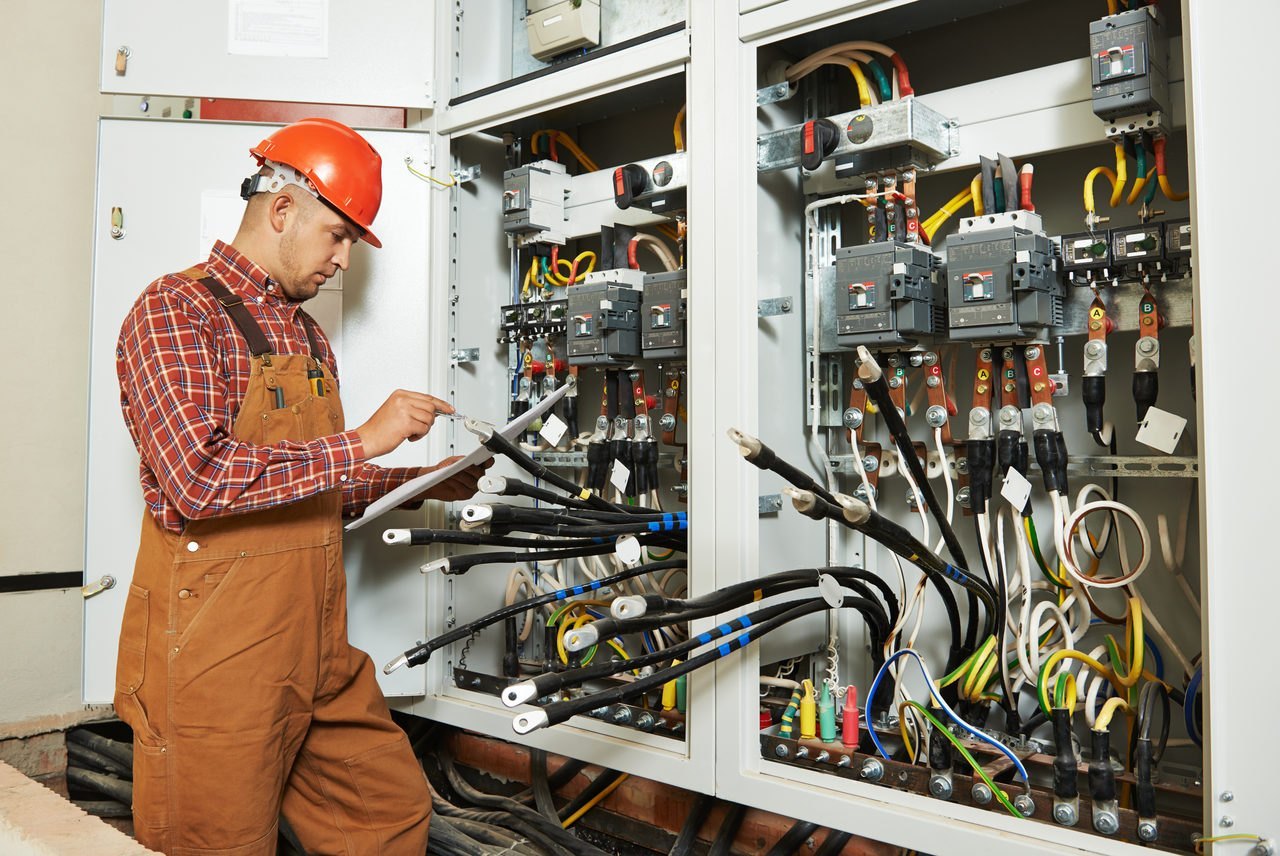
Understanding the Importance of Professionalism in Electrical Services
The Impact of Quality Workmanship on Your Business
When it comes to commercial electrical services, the quality of workmanship is paramount. Poor electrical work can lead to significant operational disruptions that affect the bottom line of a business. High-quality electrical installations and repairs can enhance efficiency, reduce energy costs, and even improve employee safety. For example, a well-installed lighting system not only provides adequate illumination but can also enhance the ambiance of the workspace, leading to increased productivity and employee morale. Conversely, subpar electrical work can result in frequent outages, costly repairs, and even fire hazards, leaving businesses vulnerable to liabilities and reputational damage. Therefore, investing in professionalism ensures that the job is done right the first time, minimizing future complications and fostering a dependable work environment. Additionally, well-executed electrical services can also enhance the value of your commercial property. Potential buyers or lessees often scrutinize the infrastructure’s quality; certifications and guarantees of professionalism broadcast reliability and competence. Companies that prioritize quality workmanship tend to experience higher levels of customer satisfaction, becoming preferred vendors over competitors who might compromise on quality to save costs. Consequently, ensuring that quality is embedded in the hiring process is not just beneficial; it is essential for the long-term success of your business.
Why Credentials Matter: Certifications and Licensing
Credentials in the electrical industry serve as a benchmark for the expertise and knowledge of electrical contractors. Having the necessary license indicates that the professional has met specific education and training requirements, thus setting a standard that you can rely on. Different regions have various licensing requirements, including completion of apprenticeship programs, passing written exams, and fulfilling ongoing education mandates. This not only assures compliance with local laws and regulations, but also provides peace of mind knowing that the contractor possesses a comprehensive understanding of electrical theory, wiring techniques, and safety practices. Certifications from reputable organizations, such as the National Electrical Contractors Association (NECA) or the International Association of Electrical Inspectors (IAEI), signify specialized skills beyond standard licensing stipulations. These can demonstrate expertise in areas such as green energy solutions, design-build services, or advanced troubleshooting techniques. Choosing a contractor who carries appropriate credentials not only reinforces your project’s integrity but also opens doors to innovative solutions that may enhance overall performance and energy efficiency. Furthermore, valid insurance coverage is an essential aspect of professional credentials. A well-certified electrician carries liability insurance that protects your business against potential damages or accidents that arise during the project. In essence, hiring a contractor with appropriate certifications and licensing not only reinforces their capabilities but is also a crucial risk management strategy.
Key Factors to Evaluate Before Hiring an Electrical Contractor
Assessing Experience: The Role of Industry Knowledge
Experience in the field is one of the most telling indicators of a contractor’s proficiency. Electrical contractors with several years of dedicated service under their belt will not only have extensive technical knowledge but will also be familiar with industry trends, regulatory changes, and innovative practices. They will likely have encountered a range of scenarios, equipping them with the problem-solving skills necessary for complex electrical issues. This depth of experience can drastically shorten project timelines and reduce the likelihood of costly mistakes. When evaluating experience, it’s essential to consider the specific type of projects the contractor has previously managed. For example, a contractor specializing in industrial settings may have a different set of skills compared to one focused on commercial office environments. It’s advisable to check their portfolio for past projects similar to your needs, which can give you insights into their capability to handle your specific requirements. Moreover, asking for case studies or references from previous clients can provide constructive perspectives on the contractor’s work ethic, professionalism, and ability to meet deadlines. Ultimately, a contractor’s experience is not just a numerical figure; it is intertwined with their ability to adapt and implement the best practices that ensure successful project completion.
Reading Between the Lines: Customer Reviews and Testimonials
Customer reviews and testimonials are invaluable sources of insight when seeking to hire an electrical contractor. Seeking out client feedback on platforms like Google, Yelp, or industry-specific forums can reveal both the strengths and weaknesses of a contractor’s services. Positive reviews often highlight proactive communication, adherence to timelines, and meticulous attention to detail, while negative feedback can shed light on issues such as unresponsiveness or suboptimal workmanship. To dig deeper, consider reaching out directly to past clients to discuss their experiences candidly. This two-way communication provides clarity on the contractor’s conflict resolution skills and their overall dedication to customer satisfaction. Moreover, evaluating the contractor’s response to negative reviews can reveal their level of professionalism—do they address the concern constructively, or do they dismiss it? This is a direct indicator of how they might handle potential challenges if you decide to hire them. It’s also prudent to compare online reviews with testimonials provided by the contractors themselves. While they may feature only the most favorable feedback, corroborating these claims through independent sources can help paint a complete picture. Overall, taking the time to engage with past customers won’t only inform your decision but will likely lead to a reduced incidence of post-project complications.
Safety First: Navigating Electrical Codes and Regulations
The Compliance Checklist: Are They Up to Standard?
A vital aspect of hiring a commercial electrical contractor is their understanding and compliance with local electrical codes and regulations. These codes are put into place not only for legal protection but also to ensure the safety of structures and individuals. Adhering to safety standards means that installations are reliable, efficient, and, most importantly, safe from hazardous failures. Before hiring, inquire about the contractor’s knowledge of local codes. A reputable contractor will be familiar with the National Electrical Code (NEC) as well as any additional local regulations. They should initiate discussions about the compliance checks they will perform before commencing any work. A thorough compliance checklist can include inspections of existing electrical systems, an assessment of grounding and bonding, and evaluating the suitability of equipment to execute the project efficiently. Moreover, compliance ensures readiness for potential inspections from local or state authorities, eliminating delays or additional costs stemming from non-compliance notices. To enhance your own due diligence, consider checking any project permits filed by the contractor or verifying their previous inspection results, thus ensuring that your selected contractor is not only reliable but wholly trustworthy in their execution of electrical tasks.
Prioritizing Your Team’s Safety: Insurance and Liability Considerations
Employee safety should be your top priority when hiring any contractor, particularly in potentially hazardous fields like electrical work. An established electrician will carry liability insurance that protects both their workers and your property. This coverage is vital, as it provides financial protection against unforeseen incidents such as electrical fires, injuries caused by improper installations, or damage to other property. In addition to liability insurance, reputable electrical contractors should also provide workers’ compensation for their employees. This coverage protects both the individual and the company in case of workplace injuries that occur during the project. Confirming that your contractors are adequately insured is not just a wise step; it is a critical safeguard that can protect your business’s financial health. Moreover, ask potential contractors if they maintain a safety program and if safety training is a regular occurrence for their team. Those committed to high safety standards exhibit a professional culture that prioritizes care, which can lead to lower rates of accidents and injuries on site. Therefore, evaluating the contractor’s commitment to your team’s safety isn’t merely about filling out paperwork—it reflects a broader dedication to quality and professionalism.
Cost Considerations: Understanding Quotes and Bids
Breaking Down the Numbers: What’s Included in Your Estimate?
Understanding the figures presented in electrical quotes and bids is essential before signing a contract. Often, cost estimates may vary significantly between different contractors, making it increasingly important to evaluate what services are included in the bid. A comprehensive quote should delineate materials, labor costs, overhead, and any potential contingencies. It’s vital to understand whether the quote reflects all aspects of the work required, including any permits, inspections, and follow-up services. When discussing estimates, don’t shy away from asking contractors to explain each line item. A transparent contractor will be willing to break down complex charges and justify their estimates. This discussion presents an opportunity to gauge their knowledge of prevailing market prices for materials and labor, helping you make an informed decision regarding the financial aspects of hiring their services. Additionally, be on the lookout for detailed schedules and timelines. A full bid should outline the expected time frame for project completion as well as payment milestones to avoid any surprises. An experienced contractor will understand the necessity of providing a clear financial roadmap, illuminating other potential costs down the line and enhancing trust between you and the contractor.
The Fine Print: Hidden Fees and How to Avoid Them
One of the more daunting aspects of hiring commercial electrical services is the potential for hidden fees. Many contractors, whether intentionally or through oversight, may not disclose all potential costs upfront, leading to surprises during or after the completion of the project. To circumvent this issue, ensure you discuss contingencies or unforeseen expenses that might arise, especially in complex electrical tasks that can be unpredictable. Request a detailed contract that contains specific language regarding how changes to the original project scope will be handled. Changes in project scope should clearly outline the process for obtaining approval, which will subsequently provide a built-in safety net against unexpected expenses. Ensuring clarity and detail within the contract will bolster your defensive stance against any hidden charges that may later arise. Moreover, don’t hesitate to conduct market research to determine standard rates in your area to gain awareness of what’s fair and reasonable. If a quote appears suspiciously low, it could signal cut corners or inadequate work quality, prompting the need for further inquiries. By maintaining vigilance from the outset and systematically addressing potential hidden fees, you ensure a smoother and more economically predictable project execution. In conclusion, hiring the right commercial electrical contractor requires in-depth knowledge and thoughtful evaluation across various factors, from assessing professionalism and experience to understanding contracts and compliance considerations. Diligence in your selection process not only ensures that your immediate electrical needs are met, but also lays the groundwork for a safe, efficient, and long-lasting infrastructure for your business.
Comments are closed.