

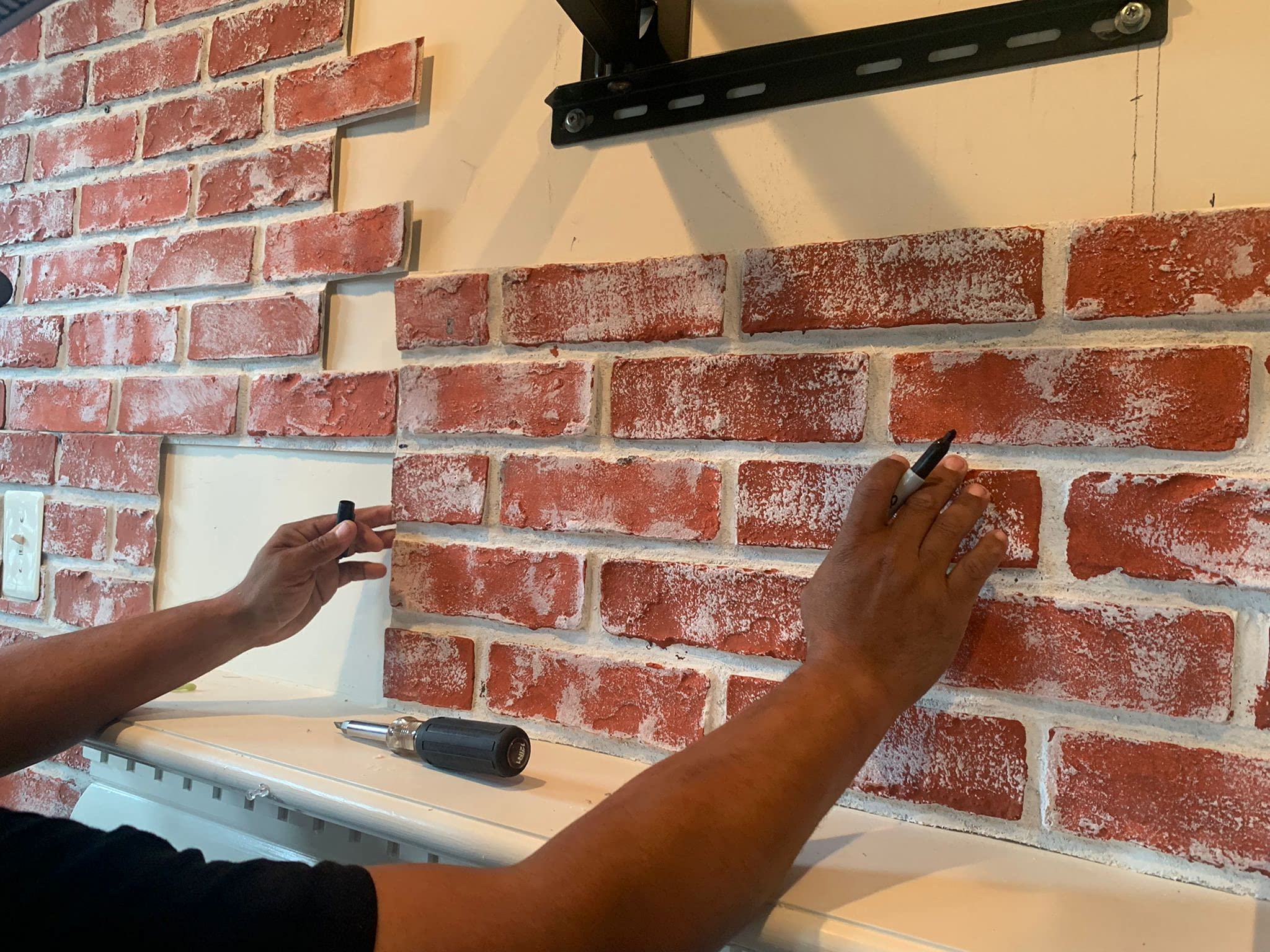
Key Takeaways
When it comes to faux brick panels, thickness is a major quality indicator; thicker panels usually look more convincing and are often crafted from better materials.
Authenticity hinges on color variations and subtle gradients; you’ll want panels that showcase multiple hues to closely resemble real brick.
For durability, high-density polyurethane or fiberglass-reinforced plastic is your best bet; steer clear of thin vinyl that simply doesn’t offer the same richness.
Beware of cheap faux brick panels. They typically exhibit signs such as a plastic-like appearance, flimsy packaging, and vague installation instructions that scream low quality.
Texture matters a lot; faux bricks should have imperfections that mimic the feel of real masonry, steering clear of overly smooth surfaces that can look tacky.
While DIY installation can save you some cash, it might lead to expensive mistakes; assess your abilities before diving into a project that could end up complicating your space.
Ongoing maintenance is vital for faux brick panels; clean them gently using mild methods and do monthly checks to catch any damage before it escalates.
How to Spot Quality Faux Brick Panels
Key Features That Define the Best Options
When you’re shopping for faux brick panels, knowing the differences between the best options and the inferior ones is essential. First off, look at the thickness. Thicker panels tend to offer a more realistic appearance and are generally made of higher-quality materials. Also, keep an eye on color variations. A great faux brick panel will never have a single, uniform color; you need subtle gradients and variations to replicate real brick effectively. Additionally, weight matters—heavier panels often signal quality and durability.
But there’s more to it. Look for edges that interlock well. Panels that don’t fit together smoothly can hamper the overall look. Gaps post-installation? That’s not a good sign. Lastly, scrutinize the surface texture. Some panels provide a gritty feel that echoes the weathered appearance of actual masonry—a detail that can truly make a difference.
Material Matters: What To Look For
Material choice is key. Many faux brick panels are just thin vinyl, and while they can work, they often lack that depth and character we’re after. Go for high-density polyurethane or FRP (fiberglass-reinforced plastic). These materials typically hold up better over time than their cheaper competitors, resisting fading, warping, or cracking. You really don’t want to find yourself replacing them every few seasons.
Then there’s wood composite, which can bring a cozier feel to your space. But be careful; these materials can warp or swell in humid conditions. So, consider your surroundings. What might thrive in your living room could rot away in a damp basement.
Common Red Flags in Cheap Alternatives
Here’s the scoop: not all faux brick panels are on the same level. Cheap ones usually reveal certain red flags. For instance, if it looks plastic—run! It should resemble masonry, not a child’s toy. Don’t settle for less. Another issue you might face is shipping damage. If you’re ordering online, check if the panels are fragile enough to arrive cracked or broken.
- Low weight
- Uniform color
- Poor reviews from previous buyers
And don’t overlook the installation process. If the instructions are vague or poorly written, that’s a warning sign. Good products come with clear guides. If they can’t even manage that, how reliable is the product really?
Realistic Faux Brick: Why It Matters
How to Achieve That Authentic Look
This is about more than aesthetics—it’s about crafting the right ambiance. The secret? Layering. Mixing different shades and textures adds both depth and that aged building vibe. Consider pairing panels with chunky, rustic textures alongside smoother surfaces.
Lighting also plays a vital role. Use soft, natural light to highlight the shadows created by the faux brick. Remember, overexposure can wash out the panels’ beauty, stripping them of their character. Here’s a little insight: if your lighting is subpar, even the finest panels won’t stand out. So, invest time into a lighting plan that accentuates those fantastic bricks.
Color Variations and Their Impact on Aesthetics
Color variations can truly transform a room, often underestimated. I’ve seen spaces ruined by a single dull color. Instead, strive for diverse shades that complement one another. Think about mixing a rusty red with a deep charcoal for impact and depth. Consider the mood you want to create—lighter shades are perfect for bright spaces, while darker tones work well in cozier settings.
Don’t forget about the paint finish, either. Glossy finishes might make the bricks seem cheap, while matte options can evoke a believable rustic charm. This tiny detail isn’t trivial—it can completely change the vibe.
Why Texture Can Make or Break Your Design
You might be surprised, but the texture can significantly influence how realistic your setup feels. Smooth surfaces can cheapen the look and dull the tactile experience. Real bricks come with imperfections and irregularities—your faux panels should reflect that. Bumps, indents, and slight inconsistencies in the finish? Those are the kind of details that count.
These faux bricks need to appeal to your imagination. I’ve touched samples that felt like candy—way too soft to resemble authentic brickwork. The texture should draw the eye and make you want to reach out and touch its surface. If you notice anything off after installation, it might be time to give it a DIY touch-up.
Installation Insights: DIY or Hire a Pro?
The Pros and Cons of DIY Installation
Going the DIY route can deliver a satisfying experience. You’re revamping with your own hands! But it’s not without challenges. Yes, you save a few bucks, but it could end up costing you more in time and headaches. Ever tried hanging pictures, only to find they’re crooked? Now, imagine doing that with hefty panels. Yikes.
On the flip side, you might uncover a hidden knack for installation. But if you’re like me and construction isn’t your strong suit, you’ll probably find yourself overwhelmed. That’s when self-doubt creeps in. Honestly assess your abilities. Don’t leap into it just because you watched a few YouTube videos.
- Pros: Cost savings, creative freedom, and bragging rights.
- Cons: Time-consuming, risk of costly mistakes, and physical strain.
Here’s the thing: if it seems daunting, it probably is. Learn when it’s time to get help.
Cost Breakdown: What Amateurs Overlook
Ah, costs—everyone’s favorite topic, or maybe the one you’d rather shy away from. Newbies often underestimate the expenses tied to tools and materials. You might be thinking, “I’ll just grab the cheap panels!” But trust me, you’ll kick yourself later when you realize you also need nails, adhesives, and security brackets.
Here’s a rough cost breakdown to mull over:
- Piano hinged cutter ($100)
- Quality adhesive ($50)
- Finishing touches (caulk, paint, etc.) ($75)
Suddenly, those “cheap” panels don’t seem so affordable anymore. Be sure to consider both sides of the financial equation. This isn’t just about the cost of the faux brick panel—it’s a complete pricing picture.
Hiring the Right Contractors: My Tips
Hiring contractors can feel risky, but with the right approach, you can make informed decisions. First off, trust your instincts. Conduct interviews with prospective contractors like you would for a job. Ask how many installations they’ve tackled and request examples of their work. Don’t just rely on shiny portfolios; if you can, visit a job site to gauge their work ethic firsthand.
And don’t overlook the importance of reviews. Checking social media and business directories can reveal pesky insights. In this game, reputation is vital. Feel free to ask for references or portfolios—it can save you from future headaches. Here’s a tip: if a contractor hesitates to provide this info, consider that a red flag. Keep your options open; often, you’ll find local contractors with hidden treasures in their portfolios.
Maintenance Tips for Longevity
Cleaning Faux Brick: Do’s and Don’ts
So, you’ve put up your faux brick panel—now what? Keeping them fresh is crucial. Regular cleaning? Absolutely essential. Most panels only need a damp cloth and a mild cleaner to stay nice. But don’t reach for that scrub brush just yet. Overzealous scrubbing might wear down the finish.
If you find yourself needing a heavy-duty clean, always do a spot test first. You want to strike that delicate balance. Here’s a quick do’s and don’ts guide:
- Do: Use soft cloths and gentle detergents.
- Don’t: Use bleach-based cleaners; they can wreck the finish.
I really can’t stress this enough: treat your panels like they’re valuable art. Even faux deserves some love!
How to Inspect for Damage Regularly
Proactive maintenance is where many slip up. Don’t fall into that trap. Set a monthly inspection reminder; you’ll appreciate it later. Look for any cracks, peeling, or signs of moisture getting through. If water seeps behind those panels, you’ll be facing a real nightmare.
Always check the seals and edge finishes too, as these can be hotspots for damage. Use a flashlight to get a closer look. Catching issues early can prevent a disaster.
Remember, prevention is always cheaper than repair.
Understanding Wear and Tear Over Time
Faux brick panels may seem sturdy, but they aren’t indestructible. We often think of them as a “forever” installation. But let’s be real—life happens. They get exposed to sunlight, moisture, and the occasional bump from moving furniture. So, be aware of what to expect as time goes on.
One natural occurrence is fading colors. Over years, this can dull the look and feel, which is why keeping a fresh paint kit for touch-ups is a wise move. If you notice discrepancies in color after cleaning, it might be time to refresh.
In the end, treat your panels like cherished belongings. They’re meant to beautify your space, so give them the attention they deserve, and they’ll maintain their allure.
FAQ
Can faux brick panels be used outdoors?
Yes, as long as you choose the right material. Some panels made from high-density polyurethane or fiberglass-reinforced plastic are suitable for outdoor use. Just be sure they’re designed specifically for exterior conditions and can handle moisture and UV exposure.
What types of faux brick panels are most budget-friendly?
If you’re keeping an eye on your budget, vinyl options might be your go-to. They’re cheaper up front. But, beware—these often lack authenticity and durability. You might save money initially, yet think about the long-term costs of replacing them.
How often should I clean my faux brick panels?
Regular cleaning is a must. Aim for at least once a month. Dust, grime, and mildew can build up, so stay proactive. A gentle wipe with a damp cloth should suffice—skip the power washer!
What’s the best way to install faux brick panels?
Start with accurate measuring and cutting. Familiarizing yourself with your space’s layout can save a lot of headaches later. Use quality adhesive and secure fittings. If you’re uncertain, consulting an expert before you get started isn’t a bad idea. Trust me, it could save you from some costly blunders.
Are there any eco-friendly options for faux brick panels?
Yes! Some manufacturers provide options made from recycled materials or low-VOC choices. Always check product details to ensure they line up with your sustainability goals. Eco-friendly doesn’t have to clash with style.
What if I see signs of moisture behind my faux brick panels?
Panic isn’t the answer, but swift action is necessary. You need to tackle moisture intrusion before it morphs into serious damage. Inspect your panels and seals, and consider calling a professional to resolve the issue quickly. Ignoring it isn’t an option.
How do I choose the right color for my faux brick panels?
Think about the vibe you want your space to exude. Lighter shades are fantastic for airy areas, while darker tones can provide a sense of intimacy. Look for variations in color; they add depth. Always check samples in different lighting before deciding.
Is faux brick a good investment for resale value?
That’s a mixed bag. On one hand, it can boost aesthetics and appeal to buyers. On the other hand, shoddy execution might have the opposite effect. Quality materials and installation practices will play a big role in its impact on resale value.
Useful Resources
- eXtension – Agriculture and Natural Resources Education
- National Association of Home Builders
- Houzz – Home Design and Remodeling Resources
- DIY Network – Home Improvement and Repair
- HomeAdvisor – Contractor Reviews and Cost Guides
- Fine Homebuilding – Construction and Remodeling Techniques
- BuildingGreen – Sustainable Building Information
- AARP Home and Garden – Tips for Homeowners
- Better Homes & Gardens – Home Improvement Ideas
Comments are closed.