

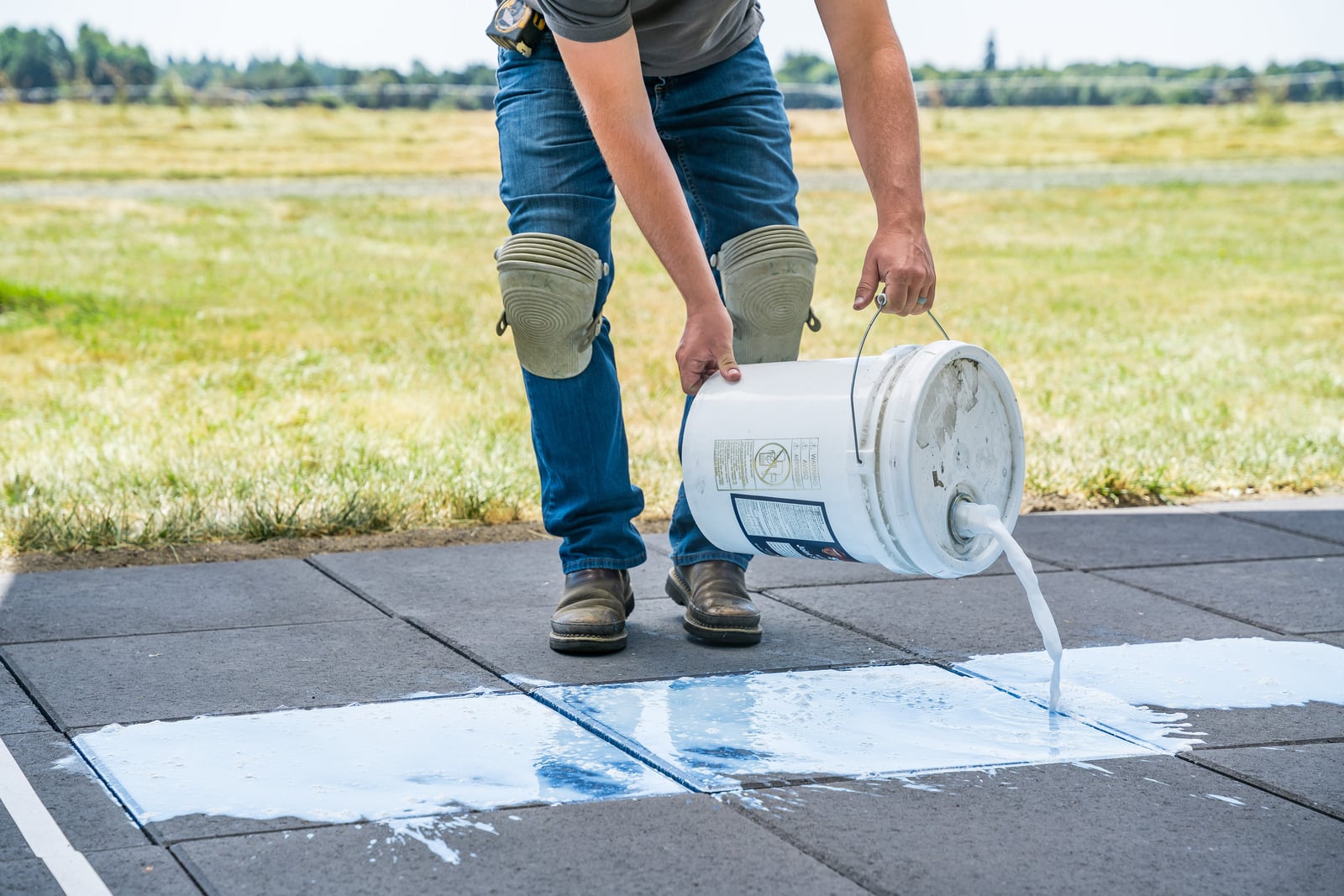
Pavers can completely transform an outdoor space — turning a plain driveway, patio, or pool area into something polished, functional, and visually striking. But once they’re installed, one question almost always comes up:
Do you actually need to seal pavers?
Some people swear by it. Others skip it entirely. The truth sits somewhere in between — and making the right decision can have a big impact on how your paving looks and performs over time.
In this guide, we’ll break down what sealing really does, when it’s worth it, and whether your natural stone or concrete pavers actually need it.
What Does Sealing Pavers Actually Do?
At its core, sealing is about protection and enhancement.
A paver sealer is a liquid coating applied to the surface that penetrates or sits on top of the material, forming a protective barrier. Depending on the type of sealer, it can:
Protect Against Stains
Unsealed pavers are porous, meaning they absorb liquids like oil, grease, wine, and dirt. Sealing helps prevent these substances from soaking in and causing permanent stains.
Enhance Colour and Finish
Some sealers (known as “wet look” or “enhancing” sealers) deepen the natural colour of the pavers, making them appear richer and more vibrant.
Reduce Weed and Moss Growth
By stabilising joint sand and reducing moisture absorption, sealing can limit weed growth and inhibit moss or algae in damp areas.
Improve Durability
Sealers can help protect against weathering, UV damage, and surface wear — especially in high-traffic areas.
Do You Need to Seal Concrete Pavers?
Short answer: No — but it’s highly recommended.
Concrete Perth pavers are durable and can function perfectly well without sealing. However, because they are quite porous, they are more vulnerable to:
- Oil stains from vehicles
- Fading from UV exposure
- Surface erosion over time
- Efflorescence (that white, powdery residue)
When Sealing Concrete Pavers Makes Sense
Sealing is particularly worthwhile if your pavers are in:
- Driveways (oil and tyre marks are common)
- Entertaining areas (food, drinks, spills)
- Pool surrounds (constant moisture exposure)
- High-traffic zones
A good sealer can significantly extend the life and appearance of concrete paving — making it a smart long-term investment.
Should You Seal Natural Stone Pavers?
Natural stone is a different story — and in many cases, sealing is more important than with concrete.
Materials like travertine, limestone, sandstone, and marble are naturally porous and can be more sensitive to:
- Staining
- Etching (especially from acidic substances)
- Moisture absorption
- Discolouration
Types of Natural Stone and Sealing Needs
Travertine & Limestone
These are commonly sealed to prevent staining and maintain their light, clean appearance.
Sandstone
Highly porous — sealing is strongly recommended, especially in outdoor environments.
Granite
Less porous than other stones, but still benefits from sealing in certain applications.
Important Tip
For natural stone, it’s crucial to use the right type of sealer — breathable sealers are often preferred to prevent trapping moisture inside the stone.
Types of Paver Sealers: What’s the Difference?
Not all sealers are the same, and choosing the right one depends on your goals and paver type.
Penetrating Sealers
- Absorb into the paver
- Provide invisible protection
- Maintain natural look
- Ideal for natural stone
Surface (Film-Forming) Sealers
- Sit on top of the surface
- Can create a glossy or “wet look” finish
- Offer strong stain protection
- Common for concrete pavers
Matte vs Gloss Finish
- Matte: Subtle, natural appearance
- Gloss: Enhances colour and creates shine
Your choice comes down to aesthetic preference as well as functionality.
Pros and Cons of Sealing Pavers
Before deciding, it’s worth weighing up the advantages and potential drawbacks.
Benefits
- Enhances colour and visual appeal
- Protects against stains and damage
- Makes cleaning easier
- Reduces weed growth
- Extends lifespan of paving
Potential Downsides
- Requires reapplication every few years
- Can be slippery if the wrong product is used
- Upfront cost for materials and labour
- Gloss finishes may not suit all designs
How Long Does Paver Sealing Last?
Sealing isn’t a one-off job — it requires maintenance.
Typical Lifespan
- Concrete pavers: 2–4 years
- Natural stone: 3–5 years (depending on product and exposure)
Factors that affect longevity include:
- Sun exposure (UV can break down sealers)
- Traffic levels
- Weather conditions
- Quality of the sealer used
Regular cleaning and proper application can help maximise how long your sealer lasts.
When Is the Best Time to Seal Pavers?
Timing matters more than most people realise.
Newly Installed Pavers
It’s generally recommended to wait 4–6 weeks before sealing. This allows:
- Efflorescence to surface and be cleaned
- Moisture to fully evaporate
- Joint sand to properly settle
Existing Pavers
Make sure they are:
- Thoroughly cleaned
- Completely dry
- Free from stains or mould before sealing
Applying sealer to dirty or damp pavers can lock in imperfections and reduce effectiveness.
DIY vs Professional Sealing
Sealing pavers can be done yourself — but it’s not always straightforward.
DIY Approach
Suitable if:
- Area is small
- You’re confident with prep and application
- You use a high-quality product
Risks include:
- Uneven application
- Over-application (leading to a patchy or sticky finish)
- Using the wrong type of sealer
Professional Sealing
Recommended for:
- Large areas
- Natural stone surfaces
- High-end finishes
Professionals ensure:
- Proper surface preparation
- Correct product selection
- Even, long-lasting application
So… Do You Really Need to Seal Your Pavers?
Here’s the honest answer:
You don’t have to seal your pavers — but in most cases, it’s a smart decision.
If your priority is:
- Longevity
- Easy maintenance
- A premium, finished look
Then sealing is absolutely worth it.
However, if you’re happy with a more natural, weathered appearance and don’t mind occasional maintenance or staining, you might choose to leave them unsealed.
Final Thoughts
Sealing pavers isn’t just about aesthetics — it’s about protecting your investment.
Concrete pavers benefit from added durability and stain resistance, while natural stone often needs sealing to preserve its beauty and prevent damage. The key is choosing the right product and applying it correctly.
If you’re unsure, a simple rule of thumb is this:
The more exposed your pavers are to traffic, moisture, and spills — the more valuable sealing becomes.
Done properly, it can keep your outdoor spaces looking cleaner, sharper, and more durable for years to come.
Comments are closed.