

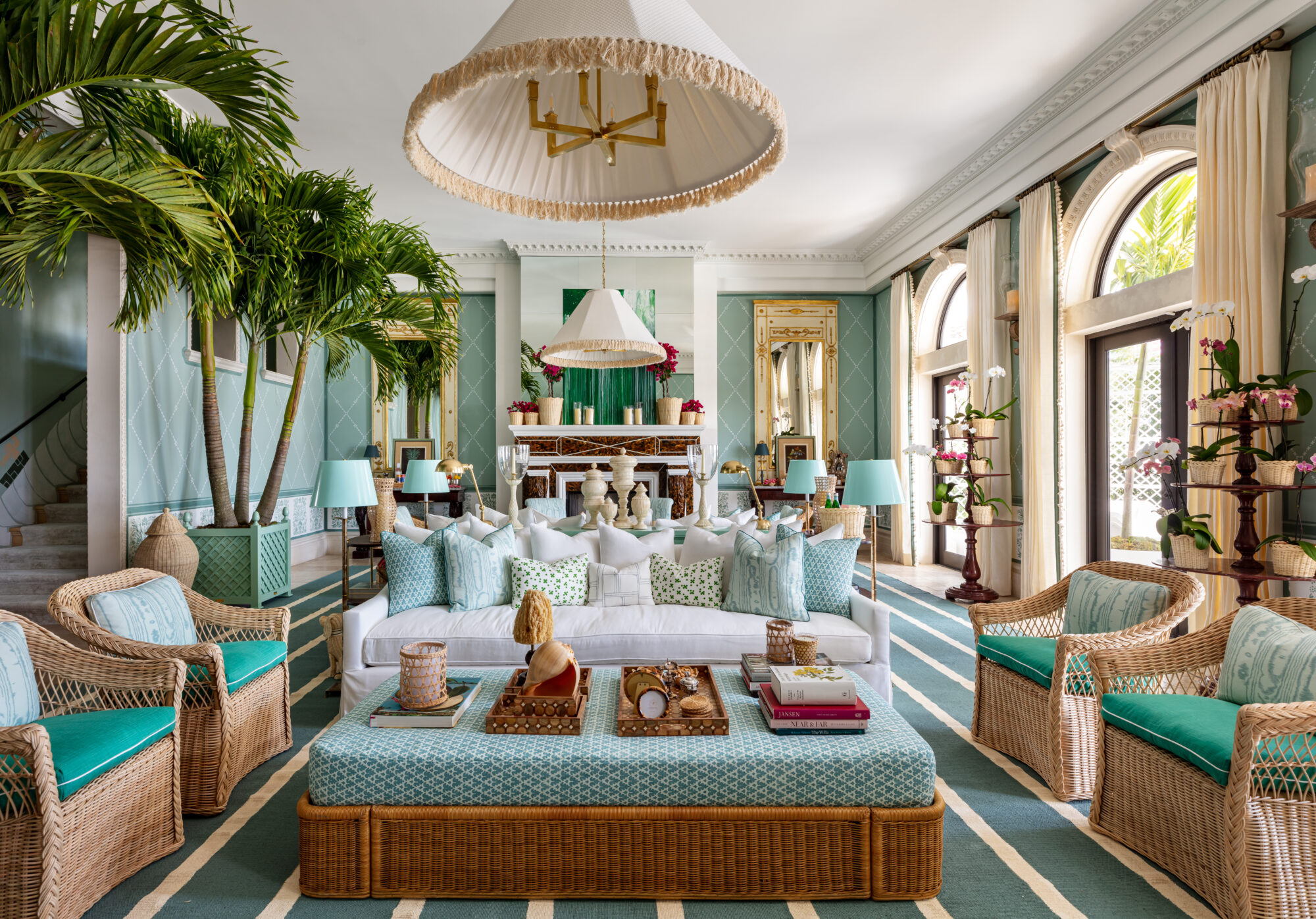
Maximalism is often misunderstood as an undisciplined free-for-all where more is simply more. In reality, successful maximalism is an art form rooted in deliberate curation, balance, and spatial discipline. It is the visual antithesis of stark minimalism, celebrating rich histories, saturated palettes, tactile textiles, and expressive graphic motifs.
When executed poorly, a room filled with competing prints rapidly devolves into sensory overload and suffocating visual chaos. When executed with precision, it transforms into an energetic, layered sanctuary that tells a captivating personal story. The secret lies in creating an intentional visual framework. By establishing strong color bridges, varying pattern scales, introducing strategic negative space, and ensuring precise spatial measurements, you can create a daring home that feels elevated rather than cluttered.
The Foundation of Controlled Chaos
True maximalism requires structure. Without an underlying system, disparate design elements collide rather than converse. Crafting a sophisticated layered space begins with establishing a strong structural anchor.
Establishing the Unifying Anchor
Every maximalist space requires a dominant grounding element that unifies disparate patterns. This anchor can take several forms:
-
A Cohesive Chromatic Thread: Select two or three core colors that repeat across every single pattern in the room, regardless of how wild the motifs become. An emerald green botanical wallpaper, a geometric rug, and a floral armchair will sit peacefully together if they all share the exact same undertone of ochre or navy.
-
Architectural Symmetry: Symmetrical layouts give the human eye an instant sense of order. Flanking a wildly patterned settee with identical side tables and matching table lamps brings immediate equilibrium to an otherwise vibrant vignette.
-
Repetition of Materiality: Ground energetic prints with repeating solid textures. Utilizing consistent brass hardware, dark walnut millwork, or matte black iron detailing across the room creates an organizing rhythm that cuts through decorative noise.
Mastering Pattern Layering Without Visual Fatigue
Mixing patterns is the defining hallmark of maximalist interior design. To avoid a jarring clash, you must manipulate the scale, geometry, and breathing room of your selections.
The Rule of Three Pattern Scales
Never pair patterns of identical scale side by side. When two dense prints compete for attention at the same visual frequency, the human brain registers the scene as visual static. Instead, build your arrangements using three distinct scales:
-
The Primary Hero Pattern: This is your largest, most intricate print, such as a large-scale scenic mural, an oversized botanical wallpaper, or a massive hand-knotted Persian rug. It dictates the overall mood and sets the primary palette for the space.
-
The Secondary Supporting Pattern: Half the scale of your hero print, this pattern provides visual contrast. If your primary pattern is an organic, curling floral, choose a crisp mid-scale geometric, like a dynamic stripe, houndstooth, or Greek key.
-
The Tertiary Accent Print: The smallest scale in the room, utilized for small throw cushions, piping, lampshades, or dining chair backs. Think fine polka dots, ditsy micro-florals, or subtle herringbone weaves that read almost as textured solids from a distance.
The Vital Role of Negative Space
The common pitfall in maximalism is the fear of empty surfaces. Clutter happens when every square inch of vertical and horizontal real estate is crammed with decorative objects. Negative space in a maximalist room acts as visual pauses, allowing your statement pieces to shine.
Break up busy patterns by introducing solid blocks of color. Anchor a multi-patterned seating arrangement on a solid, deep-pile velvet rug, or break up floor-to-ceiling patterned wallpaper with crisp, monochrome window drapery and substantial baseboard moldings. Give your bold art gallery walls breathing room by providing generous margins around frames, letting the viewer take in one treasure at a time.
How to Measure Your Home Correctly Before Ordering Bulky Furniture
Maximalist designs frequently incorporate bold, substantial statement furniture, such as deep-seated velvet chesterfields, sculptural armoires, and oversized credenzas. In an environment already dense with color and pattern, an incorrectly sized piece of bulky furniture can physically overwhelm the room, obstruct traffic, or fail to fit through the front door entirely. Precise spatial auditing is non-negotiable.
Mapping Room Dimensions and Clearances
Before committing to significant furnishings, you must document the exact structural envelope of the room:
-
Wall-to-Wall Spans: Measure the total length and width of the room at three separate heights: baseboard level, waist height, and eye level. Older walls often bow, which can easily ruin built-in cabinetry or wide credenza placements.
-
Architectural Obstacles: Note the exact position of baseboard heaters, floor registers, electrical outlets, light switches, and window sills. A statement sideboard that sits two inches too high can block window frames, while an oversized sofa might cover vital electrical access.
-
Circulation Footprints: In maximalist rooms with numerous accent pieces, clear pathways prevent the space from feeling cramped. Maintain a minimum perimeter clearance of 36 inches for primary walkways. Secondary spaces, such as the gap between a coffee table and sofa edge, demand 14 to 18 inches to balance comfort and functionality.
-
The Physical Mockup: Use blue painter tape to outline the exact width, depth, and placement of the furniture piece on the floor. To assess vertical bulk, construct a rough three-dimensional mockup using flattened cardboard boxes. Leave this setup in place for two days to observe natural traffic flow and sightlines.
Auditing the Entry Pathway
Getting massive, ornate furnishings past the front threshold is often the hardest part of delivery. Measure every step of the arrival route:
-
Entry Door Openings: Measure the narrowest interior clearance of all exterior and interior doorways from the face of the open door to the opposite doorstop molding. Account for protruding door handles and exterior security gates.
-
Hallway Corners and Chokepoints: Note the width of hallways and check for overhead hanging light fixtures. If the entry pathway requires navigating a sharp 90-degree bend, measure the diagonal distance across the turn to verify that long sofas or tall wardrobes can pivot without binding against walls.
-
Staircase Ingress: Measure the width of the stairs, the height of the railing, and critically, the diagonal clearance from the lowest step to the overhead ceiling bulkhead. Bulkheads on basement or second-floor stairwells are notorious for stopping large headboards and sectionals in their tracks.
Verifying Furniture Packaging Dimensions
Furniture dimensions listed online often reflect only the assembled footprint, which does not account for delivery conditions:
-
Crated vs. Unboxed Specs: Contact the manufacturer to secure the crated or boxed shipping dimensions. Heavy, luxury pieces often ship in robust wooden crates that add three to six inches of extra bulk to every side.
-
Disassembly Potential: Inquire whether legs, feet, finials, or decorative pediments are detachable. Removing four-inch solid wood feet can turn an impossible doorway transit into an effortless delivery.
Curating Objects: The Difference Between Display and Hoarding
Maximalism thrives on the celebration of collections, curiosities, and personal artifacts. To prevent these items from becoming visual clutter, curate them like a museum archivist.
Instead of scattering small collectibles randomly across every available end table and bookshelf, cluster them into distinct groupings. Group objects by shared characteristics, such as an assortment of brass candlesticks in varying heights, an eclectic collection of antique green glass bottles, or a dense gallery wall of oil portraits. Containing collections within trays, glass-fronted curio cabinets, or dedicated architectural niches organizes the eye, reading as a unified, deliberate artistic statement rather than disjointed mess.
Frequently Asked Questions
Can you achieve a maximalist look in a small studio apartment without feeling boxed in?
Yes. Maximalism in tight footprints relies heavily on vertical layering and tonal continuity. Painting walls, baseboards, and ceiling moldings the same deep, moody jewel tone erases harsh perimeter lines and creates depth. Use floating wall brackets and tall étagères to move pattern and collections upward, keeping valuable floor square footage open to preserve essential movement.
How do you choose the right finish for hardware in an intensely patterned space?
In busy maximalist spaces, consistency in hardware metal keeps the design grounded. If your prints span varied eras and colors, select an unlacquered living brass or an aged bronze for cabinet pulls, switch plates, and picture lights. A warm, aged patina blends smoothly with rich palettes without producing distracting high-contrast glare.
Is maximalist design compatible with natural sunlight and bright white walls?
While many maximalist interiors favor saturated wall colors, bright white walls can function effectively as a clean gallery backdrop. When utilizing light walls, compensate for the lack of wall color by saturating the floor with vibrant rugs, choosing bold textiles for window treatments, and densely hanging artwork to maintain depth.
How do you introduce animal prints into a maximalist room without it looking dated?
Treat animal prints like neutral foundations rather than thematic novelties. Classic leopard, cheetah, or tiger prints naturally contain warm earth tones like camel, black, and ivory, allowing them to bridge contrasting primary colors. Use animal prints in small doses, such as on bench seats, accent cushions, or footstools, to add texture without overpowering the main palette.
How can renters achieve maximalism without permanently altering walls?
Renters can utilize removable peel-and-stick wallpaper, large-scale framed fabric panels, and layered textiles to achieve maximum visual impact without risking security deposits. Hanging oversized tapestry pieces, stacking contrasting rugs over basic wall-to-wall carpeting, and swapping plain furniture knobs with eccentric vintage hardware allows you to build layers without permanent changes.
What is the best strategy for cleaning and maintaining a room with so many decorative layers?
Enclosed display solutions are the secret to functional maximalism. House delicate, intricate collections inside glass vitrines, arched curio cabinets, or shadowboxes to protect them from dust. For exposed textiles and wallpaper, invest in a specialized micro-attachment vacuum kit and an electrostatic lamb wool duster to clean intricate surfaces efficiently without disturbing arrangements.
Comments are closed.