

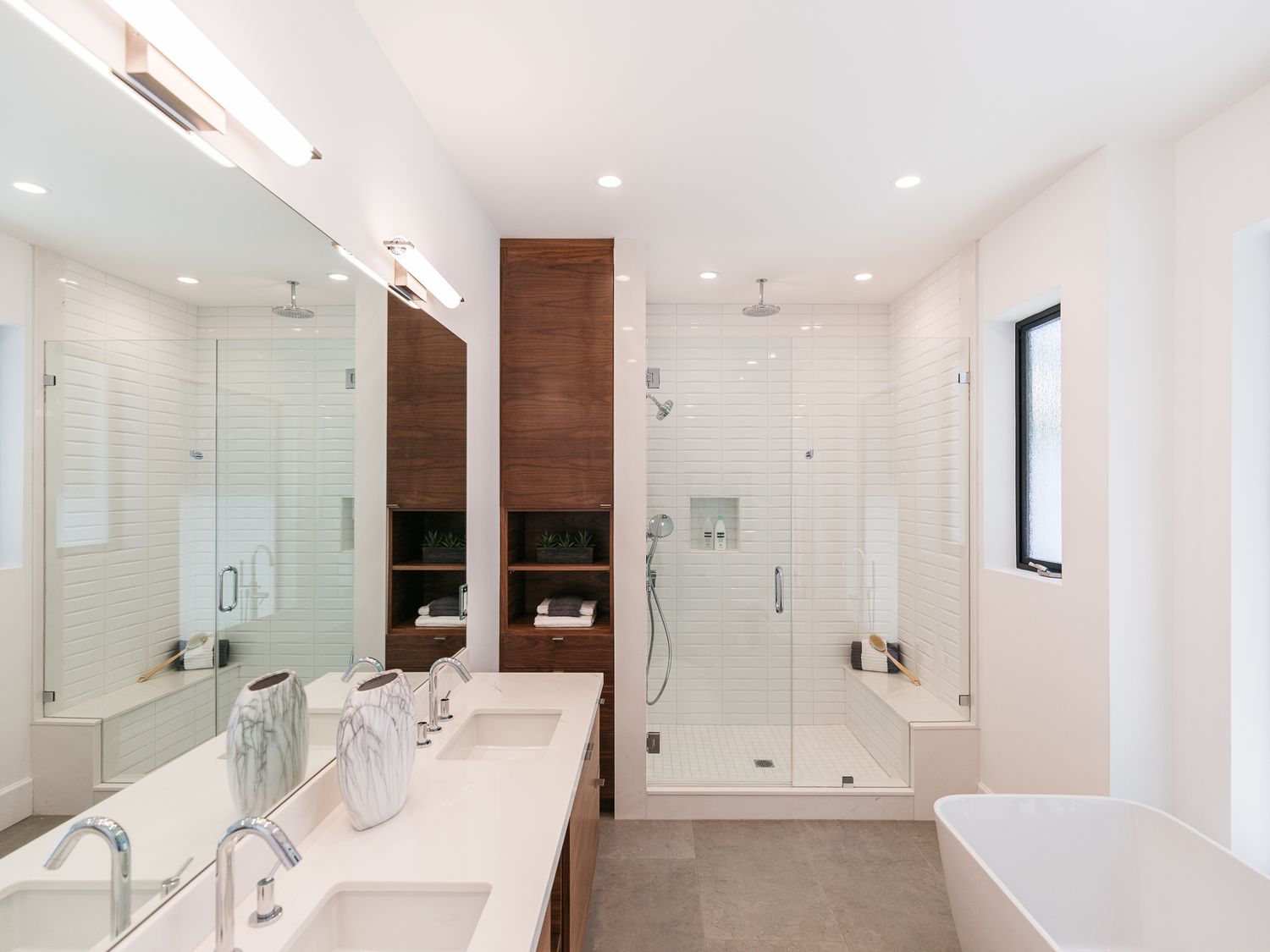
A bathroom serves as both a functional zone and a personal sanctuary. It is where daily routines begin and end, making its design and layout essential for comfort and efficiency. An investment in thoughtful planning pays off in usability, aesthetics, and property value.
The Importance of Thoughtful Bathroom Planning
Every well-designed bathroom focuses on user needs. Considering layout, lighting, storage, hygiene, and long-term durability ensures the space remains practical and visually appealing. Proper planning also helps prevent moisture-related issues and maximizes the available square footage.
Key Elements of Bathroom Design
Layout and Space Planning
A functional layout improves accessibility and flow. Key considerations include:
-
Open space for movement
-
Safe distance between fixtures
-
Convenient storage placement
-
Good lighting balance for grooming tasks
Common Bathroom Layout Types
-
Full Bath – Includes toilet, sink, and shower/bathtub.
-
Three-Quarter Bath – Features toilet, sink, and shower.
-
Half Bath – Contains toilet and sink, ideal for guests.
-
Wet Room – An open, waterproofed bathroom where showering space blends with the entire layout.
Choosing the Right Materials
Durability is crucial due to constant moisture exposure. Suitable materials include:
-
Porcelain or ceramic tiles for water resistance.
-
Quartz or solid-surface countertops for easy maintenance.
-
PVC or moisture-resistant wood for cabinetry.
-
Tempered glass for shower enclosures.
Flooring Options
The best bathroom floors offer grip, longevity, and moisture protection:
-
Textured tiles
-
Vinyl flooring
-
Natural stone (sealed properly)
Lighting and Ventilation
Lighting impacts both aesthetics and function. Use:
-
Ambient lighting for overall illumination.
-
Task lighting around the mirror to prevent shadows.
-
Accent lighting to highlight design elements.
Ventilation prevents odors, mold, and moisture damage. Install:
-
Exhaust fans
-
Operable windows
-
Humidity sensors for automated airflow control
Smart Storage Solutions
Clutter-free bathrooms feel more spacious and relaxing. Consider:
-
Floating vanities to maximize floor area
-
Recessed shelves within shower walls
-
Tall cabinets for linens and toiletries
-
Drawer organizers for small accessories
Water Efficiency and Sustainability
Modern bathrooms should conserve water while offering comfort. Features include:
-
Low-flow toilets
-
Aerated faucets
-
Eco-friendly showerheads
-
LED lighting
Style and Aesthetic Choices
Your bathroom’s look should reflect your home’s character. Popular styles include:
-
Minimalist with clean lines and neutral tones
-
Contemporary featuring bold shapes and modern finishes
-
Classic incorporating elegant fixtures and timeless textures
-
Spa-inspired using natural materials and calming colors
Maintenance Tips for Long-Lasting Results
Routine care keeps the bathroom hygienic and preserves the finish of fixtures. Essential maintenance includes:
-
Wiping surfaces regularly to prevent water spots
-
Cleaning grout lines to avoid mold buildup
-
Checking ventilation systems for proper function
-
Re-sealing stone surfaces if applicable
FAQs
1. How often should bathroom grout be cleaned?
Grout should be cleaned every one to two weeks to prevent discoloration and mold growth.
2. What is the best lighting temperature for bathroom mirrors?
A color temperature of 3500K–4000K provides natural, flattering illumination for grooming tasks.
3. How can I make a small bathroom feel larger?
Use large tiles, light colors, floating vanities, and well-placed mirrors to create the illusion of space.
4. What type of ventilation fan should I choose?
Select a fan with the correct CFM rating for your room size and consider one with humidity sensors for automated operation.
5. Is a wet room suitable for all homes?
Wet rooms are great for compact bathrooms but require full waterproofing, which may increase installation costs.
6. What materials are best for bathroom countertops?
Quartz, granite, and solid-surface materials offer moisture resistance and are easy to maintain.
7. How can I reduce water usage in the bathroom?
Install low-flow fixtures, fix leaks promptly, and consider dual-flush toilet systems.
Comments are closed.