

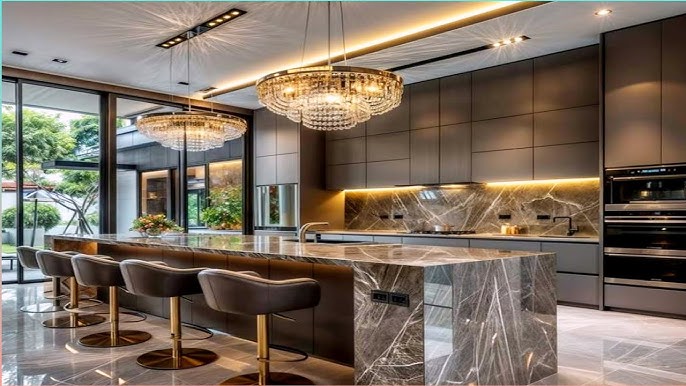
Introduction
A kitchen is more than a place to prepare meals—it is a central hub for social interaction, creativity, and everyday living. Whether compact or spacious, an effectively designed kitchen blends functionality, comfort, and aesthetic value. This article explores the essential elements that shape a practical and beautiful kitchen, offering guidance for anyone planning a renovation or building a new space.
Core Principles of Kitchen Design
1. Layout Planning
An efficient layout significantly enhances workflow. The most popular configurations include:
-
U-shaped kitchens ideal for maximizing storage and counter space.
-
L-shaped layouts that offer flexibility in both small and large areas.
-
Galley kitchens suited for streamlined cooking zones.
-
Open-concept kitchens that integrate seamlessly with living spaces.
A well-known approach is the kitchen work triangle, which strategically positions the stove, sink, and refrigerator to reduce movement and improve convenience.
2. Storage Optimization
Smart storage solutions ensure a clutter-free environment. Consider integrating:
-
Pull-out pantry cabinets
-
Deep drawers for pots and pans
-
Overhead units with soft-close mechanisms
-
Built-in organizers for utensils and spices
Maximizing vertical space is especially helpful in smaller kitchens.
3. Lighting Strategy
Good lighting transforms both function and ambiance. A balanced plan typically includes:
-
Ambient lighting for overall brightness
-
Task lighting under cabinets or above worktops
-
Accent lighting to highlight architectural or decorative features
LED fixtures are a popular choice for their longevity and energy efficiency.
Materials and Surfaces
Countertops
Durability and style meet in materials like:
-
Quartz, known for its resilience and low maintenance
-
Granite, offering natural patterns and heat resistance
-
Butcher block, bringing warmth and organic texture
-
Stainless steel, favored in professional-style kitchens
Cabinets
The cabinetry sets the tone for the entire kitchen. Quality options include:
-
Hardwood doors with classic finishes
-
Laminate fronts for budget-friendly modern looks
-
Painted MDF for customizable color options
Soft-close hinges and full-extension drawers elevate everyday usability.
Flooring
Kitchens require flooring that withstands moisture, heat, and heavy foot traffic:
-
Porcelain tile stands out for strength and style
-
Vinyl planks offer comfort and water resistance
-
Engineered wood delivers warmth with better stability than solid wood
Appliances and Technology
Essential Appliances
Modern kitchens typically incorporate:
-
Energy-efficient refrigerators
-
Multifunctional ovens
-
High-performance cooktops
-
Dishwashers with eco-friendly settings
Smart Kitchen Features
Advances in technology introduce conveniences such as:
-
Touchless faucets
-
App-controlled ovens and fridges
-
Smart lighting systems
-
Integrated charging stations
These upgrades enhance efficiency and personalize daily routines.
Decor and Personalization
Color Palette
Soft neutrals create timeless appeal, while bold accents add character. Popular choices include:
-
White and gray for a clean, airy feel
-
Deep greens and blues for contemporary richness
-
Wood tones to infuse warmth and natural texture
Finishing Touches
Small details make a big impact. Consider adding:
-
Stylish backsplashes
-
Distinctive hardware
-
Open shelving displays
-
Indoor plants for vibrancy
Conclusion
A well-designed kitchen balances practicality with personality. From thoughtful layouts to durable materials and modern technology, every choice contributes to a space that supports cooking, gathering, and living. With the right approach, your kitchen can become both a functional workspace and a welcoming centerpiece of the home.
FAQs
1. How can I make a small kitchen feel bigger?
Using light colors, reflective surfaces, vertical storage, and minimal clutter can significantly open up a compact kitchen.
2. What is the most durable countertop material?
Quartz is widely regarded as one of the most durable due to its resistance to stains, scratches, and heat.
3. How do I choose the right lighting for my kitchen?
Combine ambient, task, and accent lighting to ensure both functionality and atmosphere.
4. Are open shelves practical in a kitchen?
Yes, they are practical if maintained well. They offer easy access and enhance visual openness but require regular organization.
5. What is the best flooring for a high-traffic kitchen?
Porcelain tile and high-quality vinyl planks are popular for their durability and water resistance.
6. Should I invest in smart kitchen appliances?
Smart appliances provide convenience and energy savings, making them a worthwhile investment for modern homes.
7. How often should kitchen cabinets be replaced or refinished?
High-quality cabinets can last decades. Refinishing every 8–10 years helps maintain appearance and durability.
Comments are closed.