

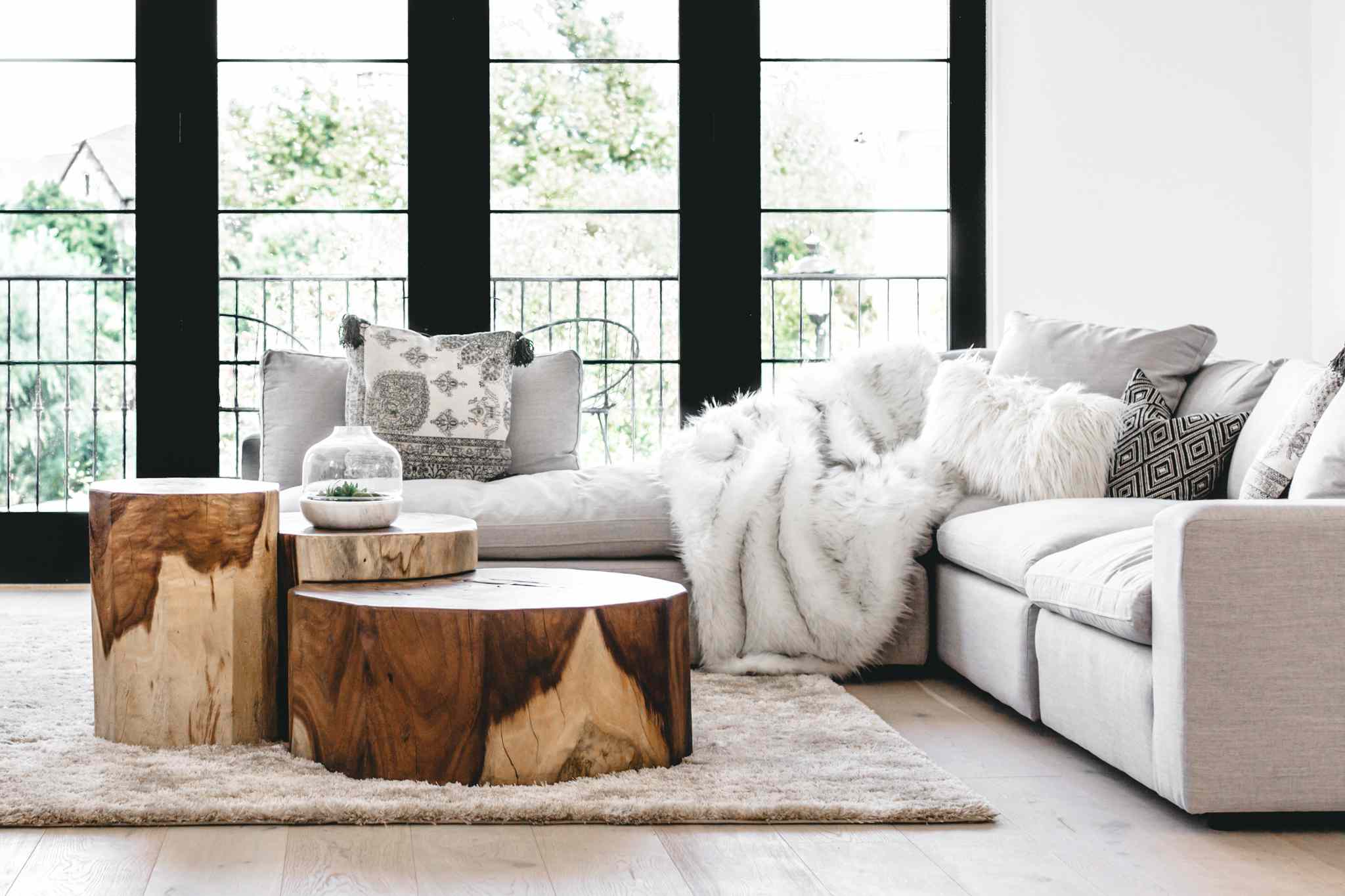
Introduction to Furniture
Furniture plays a central role in shaping how a home looks, feels, and functions. The right pieces improve comfort, enhance organization, and support the lifestyle of the people living there. Every room relies on well-chosen furniture to achieve balance, efficiency, and visual harmony.
Major Types of Furniture
Living Room Furniture
The living room is where families relax and guests gather, making furniture selection especially important. Key pieces often include:
-
Sofas and sectionals for ample seating
-
Coffee tables that serve as a functional centerpiece
-
TV units or media consoles for organized display and storage
-
Accent chairs that add personality and flexibility
Choosing pieces that match the room size helps maintain good traffic flow and a welcoming atmosphere.
Bedroom Furniture
The bedroom should feel peaceful and comfortable. Essential items in most setups include:
-
Beds with strong frames for long-term support
-
Nightstands to keep essentials accessible
-
Dressers or wardrobes for clothing storage
-
Benches or accent chairs to elevate visual warmth
Selecting durable materials improves comfort and ensures your bedroom remains functional for years.
Dining Room Furniture
Dining furniture brings people together, whether for meals or conversation. The primary elements are:
-
Dining tables suited to the room size
-
Chairs with ergonomic design for comfortable seating
-
Sideboards or buffets to enhance storage and display
-
Bar units for added convenience and style
Shape, finish, and seating capacity should align with your household needs.
Office Furniture
Productive workspaces rely on furniture that supports focus and organization. Common components include:
-
Ergonomic office chairs
-
Sturdy desks with adequate surface area
-
Storage cabinets or shelving units
-
Task lighting to reduce eye strain
Well-designed office furniture can improve posture and efficiency.
Outdoor Furniture
Outdoor spaces benefit from durable, weather-resistant pieces such as:
-
Patio sets for dining or lounging
-
Outdoor sofas and sectionals
-
Sun loungers and swings
-
Rattan or metal furniture for longevity
Proper materials prevent damage and preserve appearance despite exposure to the elements.
Popular Furniture Styles
Modern
Modern furniture emphasizes clean lines, neutral colors, and functional forms. Materials like glass, metal, and engineered wood often appear in modern designs.
Traditional
Traditional furniture showcases elegance with carved wood, rich fabrics, and classic silhouettes. It brings warmth and timeless charm to the home.
Minimalist
Minimalist style focuses on simplicity. Pieces have limited ornamentation, making the space feel open and calming.
Rustic
Rustic furniture uses natural textures, raw wood, and earthy tones to create a cozy and grounded environment.
Furniture Materials and Their Benefits
Wood
Wood remains one of the most popular materials because of its durability and natural beauty. Hardwoods like oak, walnut, and teak offer long-lasting strength.
Metal
Metal furniture is reliable and sleek, ideal for modern and industrial interiors. It resists wear and requires minimal maintenance.
Glass
Glass provides an elegant, airy look that enhances lighting. It works well for coffee tables, dining tables, and accents.
Upholstery
Fabric and leather upholstery add comfort and softness. Fabric offers variety, while leather provides longevity and luxury.
Tips for Choosing the Right Furniture
Measure Your Space
Proper measurements ensure each piece fits comfortably without overcrowding the room.
Prioritize Comfort
Comfort is essential, especially for seating and beds. Test cushioning, height, and overall support.
Match Your Style
Choose pieces that reflect your preferred aesthetic while ensuring they remain functional for daily use.
Evaluate Materials
Pick materials suited to both your lifestyle and the room’s purpose. Consider durability, maintenance, and cost.
Balance Function and Aesthetics
Look for furniture that not only looks appealing but also serves a useful purpose in your space.
Frequently Asked Questions
1. How often should I replace my furniture?
Most quality furniture lasts several years, but replacement depends on wear, comfort, and style preferences.
2. What materials are best for families with children?
Stain-resistant fabrics, hardwood furniture, and metal frames work well for active households.
3. Is assembling furniture at home difficult?
Many items come with instructions and simple hardware, making DIY assembly manageable for most people.
4. How do I choose the right sofa size?
Measure the room, consider seating needs, and ensure enough space for walking areas.
5. Are wooden furniture pieces better than engineered wood?
Solid wood offers superior durability, while engineered wood is more affordable and resistant to certain environmental changes.
6. What is the easiest furniture material to maintain?
Metal and treated wood require minimal care, making them ideal for busy homes.
7. Does matching all furniture pieces make a room look better?
A balanced mix of coordinated styles often looks more natural than identical sets.
Comments are closed.